

Jul 01, 2026
What to Do When Orchid Leaves Turn Yellow (Complete Fix Guide for Healthy Orchids)

Click Orchid

Quick Answer
Orchid leaves turn yellow mainly due to overwatering, poor drainage, or incorrect light. Fix the issue by adjusting watering frequency, improving airflow, and ensuring indirect sunlight. In severe cases, repotting or replacing the plant may be necessary.
Fix Yellow Orchid Leaves Fast (Quick Action Guide)
● Stop watering immediately if soil feels wet
● Shift plant to bright indirect sunlight
● Check roots for rot (brown/mushy = problem)
● Remove completely dead leaves
● Repot if drainage is poor
If your orchid continues declining, it’s often easier to start with a healthy, pre-grown plant.
Why Your Orchid Leaves Are Turning Yellow
Yellow leaves are not random—they indicate stress or poor growing conditions.
1. Overwatering (Most Common in India)
Too much water suffocates roots → leads to root rot → leaves turn yellow.
Especially common in humid regions like Siliguri, Kolkata, Mumbai.
2. Poor Drainage or Wrong Potting Mix
Using normal soil traps water and damages roots.
Orchids need bark-based, airy mix—not soil.
3. Too Much Direct Sunlight
Harsh sunlight burns leaves → causes yellowing or patchy discoloration.
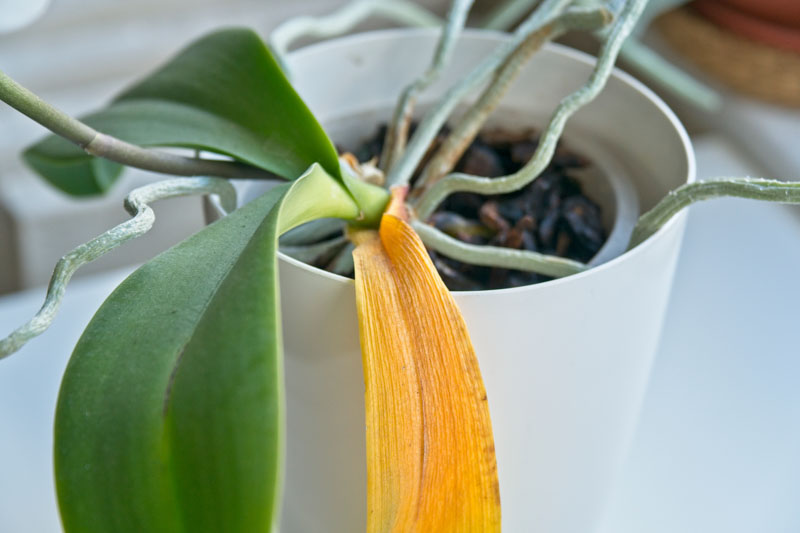
4. Natural Aging (Not a Problem)
If only the bottom leaf is yellow:
● It’s normal
● Your plant is healthy
Step-by-Step Recovery Plan
1. Adjust Watering Immediately
● Water only when roots turn silvery (not green)
● Ideal: every 5–7 days in Indian conditions
2. Check and Fix Roots
● Healthy roots → firm, green
● Rotten roots → brown, mushy
If damaged:
● Trim dead roots
● Repot in fresh orchid mix
3. Optimize Placement
Best spots in Indian homes:
● Near east-facing window
● Bright balcony (no direct afternoon sun)
4. Improve Airflow & Humidity
● Avoid closed rooms
● Keep moderate humidity (40–70%)

When Your Orchid Might Not Recover
You should consider replacing the plant if:
● All leaves are turning yellow
● Roots are completely rotten
● No new growth is visible
At this stage, revival is slow and uncertain.
Smart Move: Start Fresh with a Healthy Orchid
Instead of spending weeks trying to revive a dying plant, many growers prefer starting with a healthy, well-rooted orchid.
At Click Orchid:
● Plants are grown specifically for Indian climates
● Proper root systems ensure longer life
● Delivered ready for home placement
This eliminates beginner mistakes from day one.
Best Orchids for Beginners (Low Risk, High Success)
If you’ve faced yellow leaf issues, choose varieties that are easier to maintain:
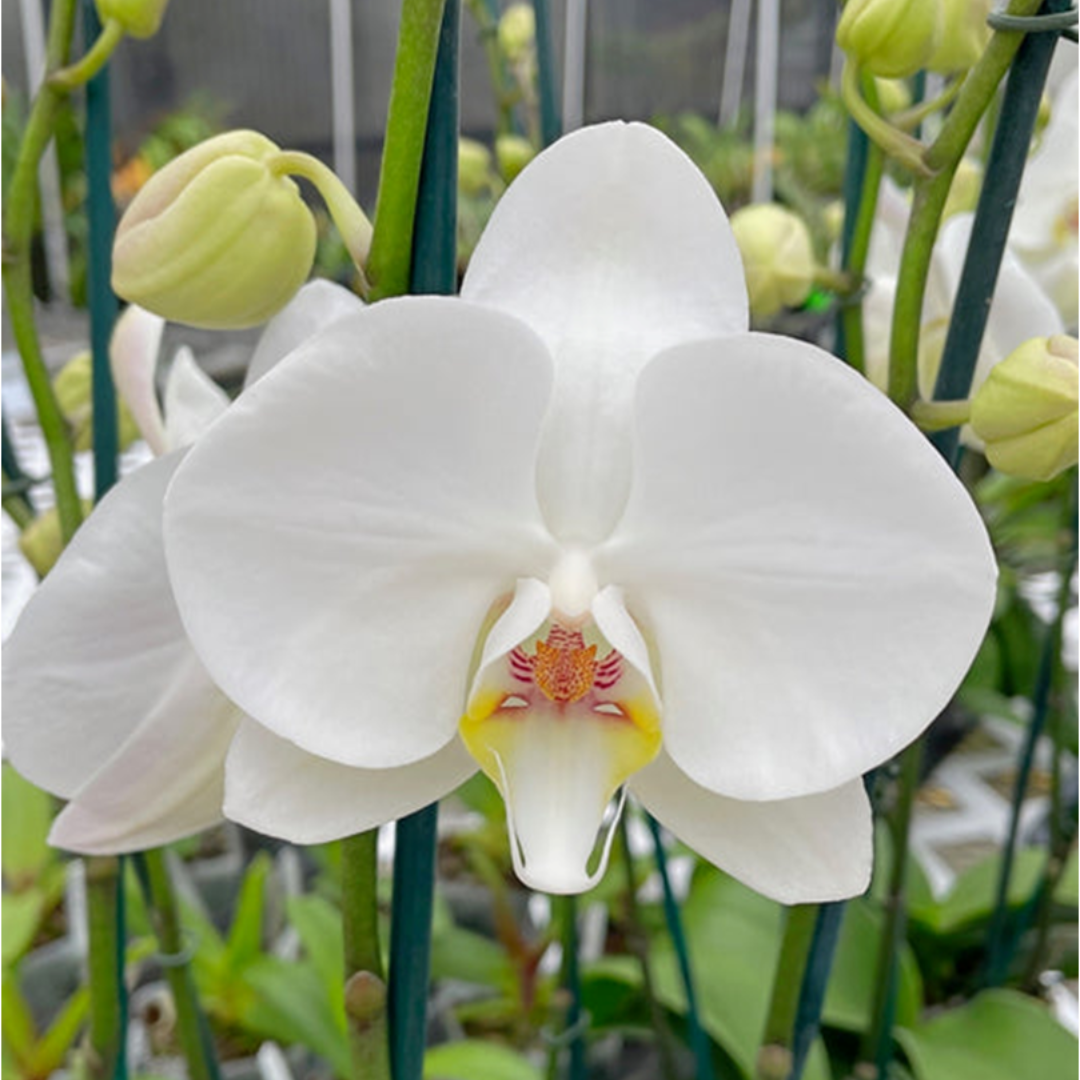
● Phalaenopsis (low maintenance, indoor friendly)
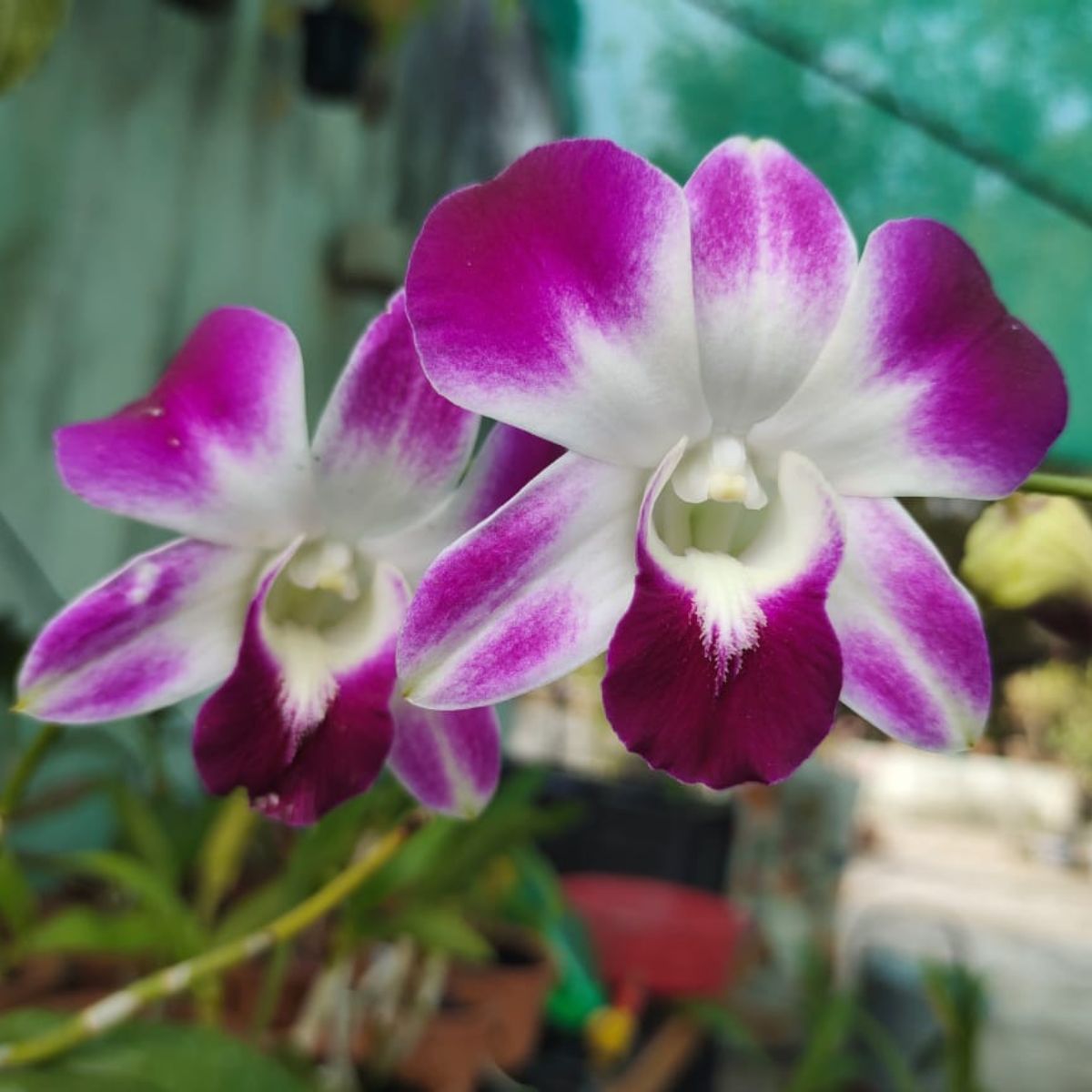
● Dendrobium (more resilient in Indian weather)
These are far less prone to yellowing when cared for properly.
Common Mistakes That Cause Yellow Leaves
● Watering daily (biggest mistake)
● Using decorative pots without drainage
● Keeping orchids in dark rooms
● Ignoring early signs of stress
Pro Tips from Orchid Growers
● Use transparent pots to monitor root health
● Never let water sit in the crown
● Fertilize lightly during growth phase
Final Takeaway
Yellow orchid leaves are usually fixable—but only if you act early and correct the root cause.
If your plant is beyond recovery, upgrading to a healthy orchid from the start saves time, effort, and frustration.
FAQs
Can yellow orchid leaves turn green again?
No. Once yellow, they won’t recover—but the plant can still survive.
How often should I water orchids in India?
Typically once every 5–7 days, depending on humidity.
Should I cut yellow leaves?
Only when they are fully dry or dead.
Ready to Grow Orchids the Right Way?
Skip the trial and error.
Explore premium, healthy orchids at Click Orchid —perfect for Indian homes, beginners, and gifting.
Related Articles

What to Do When Orchid Leaves Turn Yellow (Complete Fix Guide for Healthy Orchids)

Choosing the Right Orchid for Commercial Applications
